



Introduction
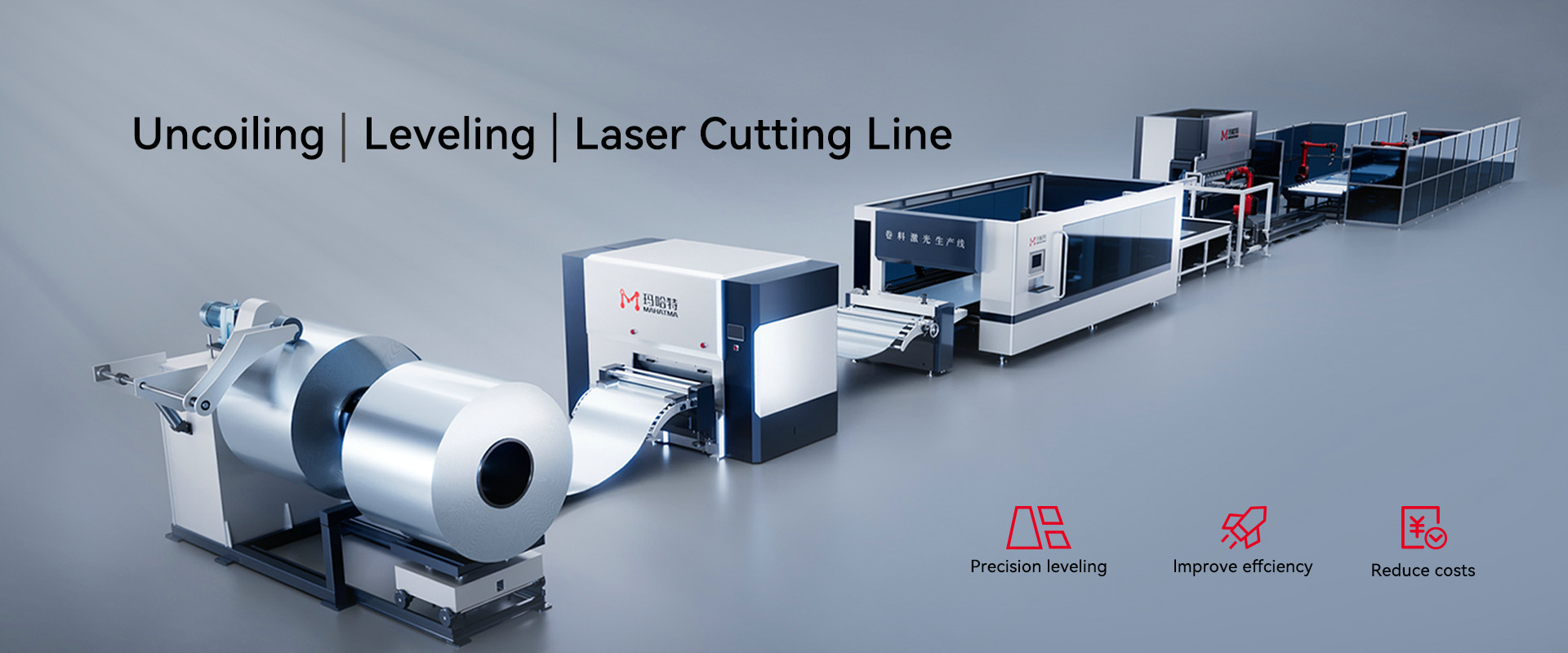
The introduction of the assembly line transformed manufacturing forever. From Henry Ford’s pioneering automotive assembly methods to modern factory line setups, the assembly line dramatically reduced production costs, increased efficiency, and changed the way products were made worldwide. Today, variations such as conveyor line, welding line, laser line, and flex line continue to optimize manufacturing processes across industries.
Understanding the effect of the assembly line on production costs provides insight into why companies invest heavily in process optimization, quality control, and workflow automation.
The Birth of the Assembly Line
Before the assembly line, products were typically made by skilled craftsmen, one at a time. This method:
Required highly specialized labor
Was time-consuming
Had high variability in quality
The introduction of the assembly line allowed companies to break down production into sequential, repeatable steps. Each worker or machine handled a specific task, and products moved along a conveyor line from station to station.
How the Assembly Line Reduces Production Costs
1. Labor Efficiency
By assigning workers to specific tasks, the assembly line minimizes wasted motion and reduces the need for highly skilled labor in every stage. Workers become highly proficient in one task, increasing speed and consistency.
Example: On an automotive welding line, one worker focuses only on welding doors, while another handles chassis assembly.
This specialization reduces training costs and labor hours per unit.
2. Standardization of Processes
The assembly line enforces a uniform process, which reduces errors and waste. On a manufacturing line producing identical components:
Materials are used more efficiently
Rework is minimized
Quality standards are easier to monitor
Standardization also lowers costs associated with defects and returns. A quality line ensures that each unit meets the required specifications, further controlling expenses.
3. Increased Production Speed
The sequential nature of the assembly line allows simultaneous processing of multiple products at different stages. Using conveyor lines:
Parts move continuously, reducing idle time
Output per hour dramatically increases
Fixed costs (machinery, factory space) are spread over more units, lowering per-unit cost
For