



Introduction
In modern manufacturing and business strategy, understanding how companies classify product lines is essential for operational efficiency, marketing, and production planning. Product lines determine how companies organize their offerings, allocate resources, and manage production systems like assembly line production or specialized flexible production lines.
For manufacturers, this classification impacts everything from marketing to the design of a pvc pipe production line, glass line, or flex line for multi-product operations. Proper classification allows businesses to optimize workflow, reduce costs, and respond quickly to market demand.
What Is a Product Line?
A product line refers to a group of related products offered by a company under a single brand or category. These products often share similar functions, production processes, or target customers.
Key Aspects of Product Lines
Functionality and Use
Products serving similar purposes are grouped together
Example: A pvc pipe production line produces various sizes and types of PVC pipes
Production Process
Products sharing the same manufacturing setup or machinery are grouped together
Example: A glass line producing different glass containers or sheets
Target Market
Products aimed at the same customer segment form a line
Example: Household cleaning products or industrial adhesives
Methods Companies Use to Classify Product Lines
Companies classify product lines based on several criteria:
1. By Product Type or Function
Products with similar functions are grouped together. This is common in industries with clear end-use differentiation.
Example: In electronics, all smartphones form one product line, while tablets form another.
2. By Production Process
Companies classify based on the manufacturing method. Flexible production lines and assembly line production often require grouping products that can be efficiently produced together.
Example: A pvc pipe production line handles different diameters but shares the same extrusion and cutting machinery.
3. By Customer Segment
Products targeting similar markets are grouped into lines for marketing and sales strategies.
Example: Industrial adhesives vs. consumer adhesives
4. By Distribution Channel
Products may be classified according to how they are sold.
Example: Online-only products vs. retail store products
5. By Price Range or Tier
High-end and budget products may be separated into different lines to align with market positioning.
Examples of Product Lines in Manufacturing
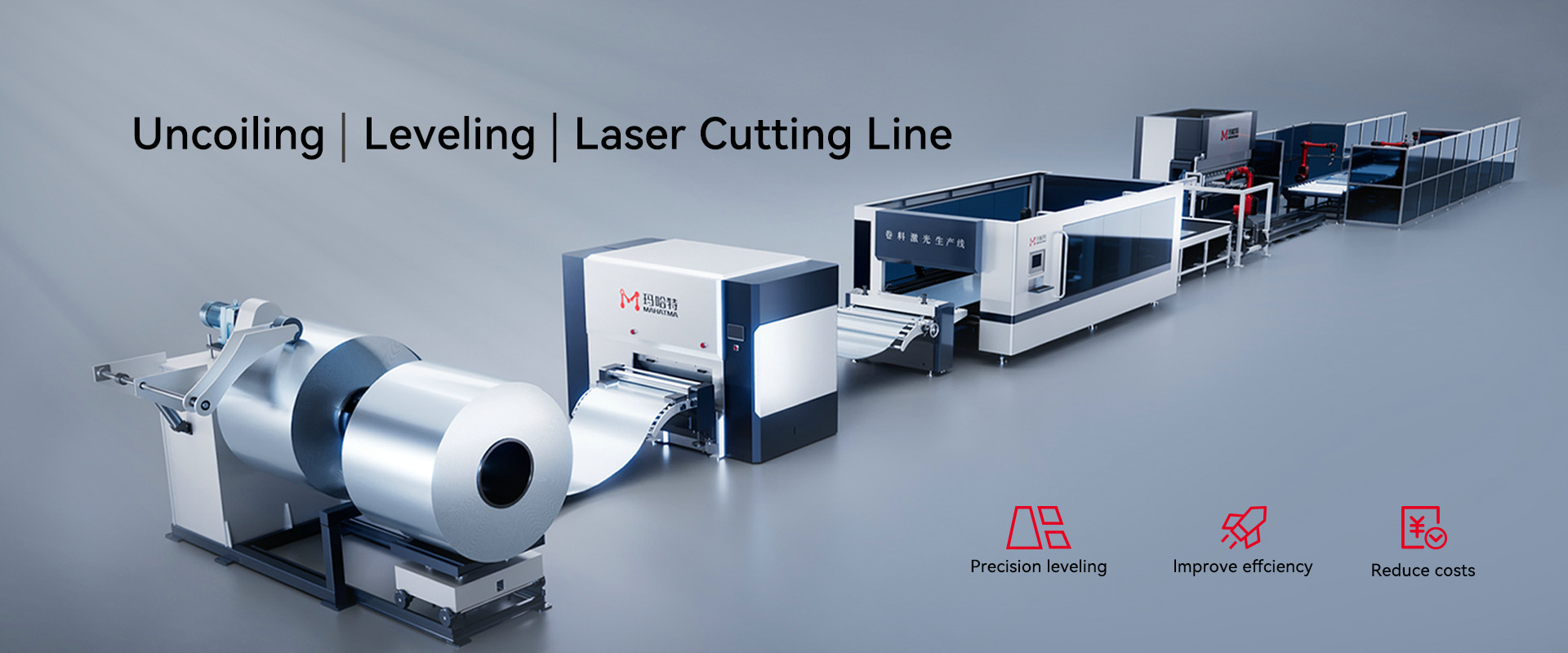
1. Flexible Production Line (Flex Line)
Designed to manufacture multiple products on the same equipment
Allows rapid switching between product types
Reduces downtime and inventory costs
Example: A flex line producing different types of packaging films
2. Assembly Line Production
Classic production method for high-volume standardized products
Each workstation performs a specific task
Highly efficient for mass production of identical products
Example: Automotive assembly line or electronics assembly line
3. Specialized Production Lines
PVC pipe production line: Custom machinery designed for pipe extrusion, cutting, and finishing
Glass line: Produces bottles, jars, or sheets of glass in continuous production
Often requires precise temperature control, molding, or shaping equipment
Benefits of Proper Product Line Classification
Operational Efficiency
Streamlined workflows for flexible production line or specialized production
Reduced setup times and minimized production bottlenecks
Better Inventory Management
Grouping products allows efficient storage and stock rotation
Prevents overproduction and reduces waste
Improved Marketing and Sales
Easier to target customers with line-specific strategies
Facilitates cross-selling or up-selling within a product line
Cost Optimization
Shared machinery and processes reduce production costs
Example: Using one assembly line production for multiple related products
Product Development and Innovation
Focused product lines encourage specialization
Easier to introduce variations or upgrades
Strategies Companies Use for Product Line Management
1. Product Line Depth and Width
Depth: Number of variants within a product line (e.g., different sizes of PVC pipes on a pvc pipe production line)
Width: Number of distinct product lines offered by a company (e.g., PVC pipes, glass containers, plastic fittings)
2. Flexible Manufacturing Systems
A flexible production line allows adaptation to different products without major retooling
Enhances responsiveness to market changes
3. Modular Production
Break products into modules that can be shared across different lines
Example: Electronic components manufactured on a shared line and assembled into various devices
4. Standardization vs. Customization
Standardized products suit assembly line production
Customized products benefit from flexible production lines
Challenges in Product Line Classification
Complexity Management
Too many variants in a single line may complicate scheduling and inventory
Resource Allocation
Machinery and labor must be efficiently distributed across lines
Market Shifts
Changing customer preferences may render a line obsolete
Balancing Flexibility and Efficiency
A flexible production line offers versatility but may have higher setup costs
Case Study: PVC Pipe Production Line
A PVC pipe production line typically includes:
Extruder for shaping PVC
Cooling system for solidifying pipes
Cutting and finishing stations
Quality inspection
By grouping all PVC products (different diameters and types) under one production line, companies optimize:
Material usage
Labor efficiency
Production throughput
This classification also simplifies logistics and marketing, ensuring consistency across product variations.
Conclusion
Classifying product lines is a fundamental strategy for companies in both manufacturing and marketing. Proper classification ensures operational efficiency, improved inventory management, cost savings, and targeted marketing.
From flexible production lines like flex lines to specialized setups like glass lines or pvc pipe production lines, organizing products based on function, production process, customer segment, or distribution channel allows companies to optimize both manufacturing and sales strategies.
Whether using assembly line production for mass production or flexible production lines for multi-product operations, understanding how to classify product lines is essential for success in a competitive market.