
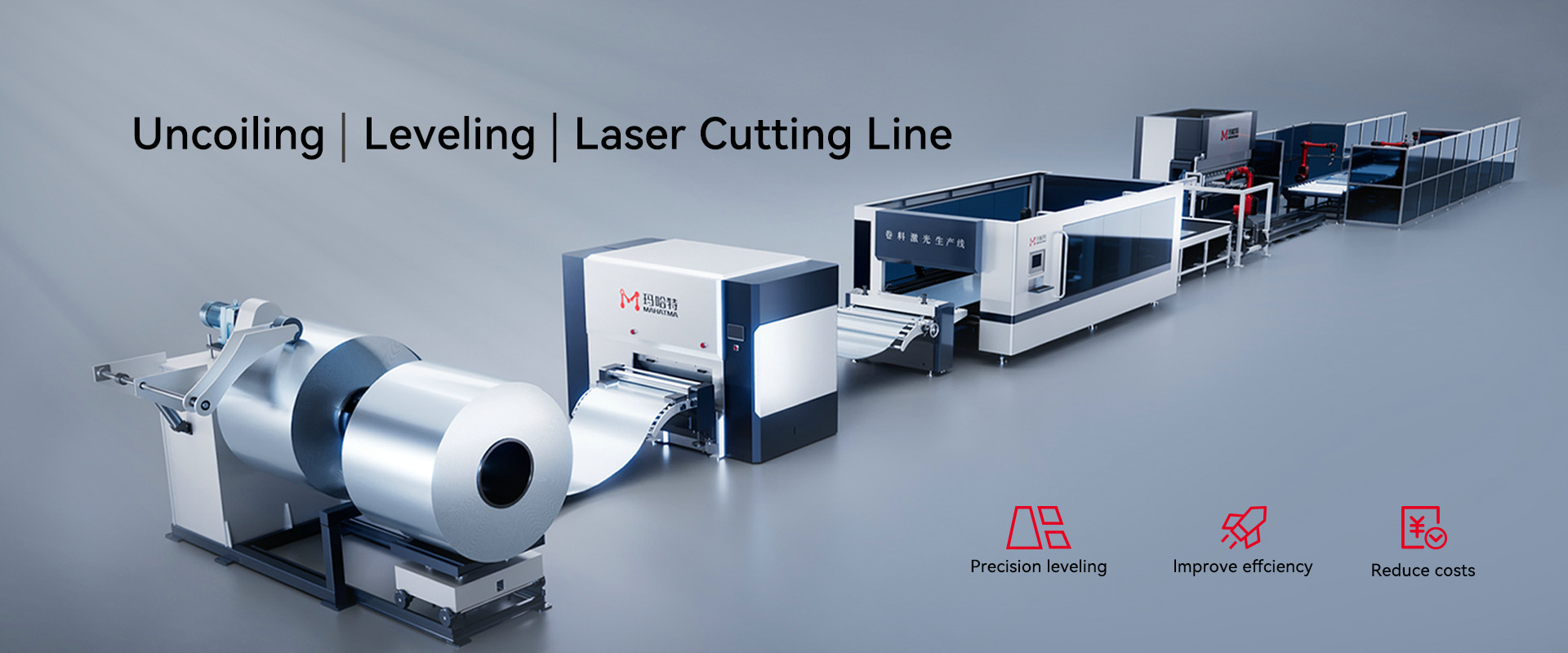



A modern production line is far more than just a series of machines arranged in sequence—it is a carefully designed system of interconnected equipment, each performing a specialized function to ensure efficiency, consistency, and quality. From assembly and welding to material transport and quality monitoring, the equipment on a production line determines how effectively a factory can meet production targets.
This article explores the key equipment used in a production line, the roles each type of machinery plays, and how integrating these components creates a seamless manufacturing line. Along the way, we will highlight concepts like quality line, welding line, fluid line, and manufacturing cells, all of which are critical for modern industrial operations.
Understanding the Production Line
A factory line is a structured system where raw materials, components, or semi-finished products are moved sequentially from one workstation to another until a final product is completed. The purpose of a production line is to:
Maximize efficiency
Ensure consistent quality
Reduce labor costs
Minimize waste and errors
The term manufacturing line is often used interchangeably with production line, but it emphasizes a broader approach, integrating cells, machines, and quality control stations into a single, cohesive workflow.
1. Quality Line Equipment
A quality line is a dedicated section of the production line that focuses on inspection, testing, and quality assurance. Equipment used here ensures that every product meets standards before leaving the factory.
Key Components:
Automated Optical Inspection (AOI) Systems: These systems detect defects in components or assembled products using cameras and software.
Coordinate Measuring Machines (CMMs): Precision measurement tools that verify product dimensions and tolerances.
Testing Fixtures: Custom jigs or setups that simulate operational conditions to ensure functionality.
By integrating a quality line into the manufacturing line, factories can detect issues early, preventing defective products from reaching customers and reducing waste.
2. Welding Line Equipment
A welding line is essential in production lines that involve metal fabrication, automotive assembly, or machinery manufacturing. It automates the welding process to improve consistency and speed.
Common Welding Line Equipment:
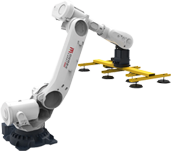
Robotic Welding Arms: High-precision robots that perform MIG, TIG, or spot welding.
Conveyor-Based Welding Stations: Integrated systems where components move along a conveyor while robotic welders perform tasks.
Fume Extraction Systems: Ensure safe air quality by removing welding fumes and gases.
The welding line is often linked with a manufacturing cell, where multiple operations, such as cutting, bending, and welding, are performed in a contained area, reducing production time.
3. Assembly Line and Factory Line Equipment
The factory line is the backbone of most manufacturing operations. It combines various workstations, conveyors, and automated systems to assemble components into finished products.
Key Factory Line Equipment:
Conveyor Systems: Move materials or assemblies between workstations efficiently.
Pick-and-Place Robots: Automate the placement of components during assembly.
Screw Driving Machines: Automated tools for fastening components accurately.
Material Handling Systems: Include carts, lifts, and robotic arms to manage parts between stations.
A well-designed factory line ensures that production flows smoothly and minimizes bottlenecks, allowing for faster throughput and reduced labor requirements.
4. Fluid Line Equipment
In industries like chemical manufacturing, pharmaceuticals, and food processing, a fluid line is crucial. This system manages the transfer of liquids, gases, or semi-solids through the production process.
Common Fluid Line Components:
Pumps and Compressors: Maintain the flow of liquids or gases.
Piping and Tubing: High-quality materials prevent contamination and leaks.
Flow Meters and Sensors: Monitor the quantity and pressure of fluids.
Valves and Actuators: Control the direction and rate of fluid movement.
Integrating fluid lines with the manufacturing line allows for precise delivery of liquids or gases to reactors, filling stations, or assembly processes, ensuring product consistency and efficiency.
5. Manufacturing Cell Equipment
A manufacturing cell is a modular unit within a production line that groups multiple machines and processes together. Cells often operate semi-autonomously, improving efficiency and flexibility.
Examples of Manufacturing Cell Equipment:
CNC machines: For precise cutting, milling, or drilling.
Robotic Arms: Handle material transfer and assembly within the cell.
Automated Inspection Tools: Ensure that every operation within the cell meets quality standards.
Flexible Conveyors: Move products in and out of the cell seamlessly.
Manufacturing cells can be combined to form flexible manufacturing lines, allowing factories to adapt quickly to changing production requirements.
6. Integrated Manufacturing Line Equipment
The manufacturing line itself integrates all the above equipment into a cohesive workflow. Integration is key to reducing delays, improving throughput, and maintaining quality across every stage.
Typical Integrated Equipment Includes:
Centralized Control Systems: Supervisory software that coordinates machines and robots.
Automated Storage and Retrieval Systems (ASRS): Manage parts and raw materials efficiently.
Vision Systems: Monitor operations and detect errors in real-time.
Conveyor Lines: Connect different sections of the manufacturing line, including assembly, welding, and quality lines.
By linking these systems together, a manufacturing line operates efficiently, reduces manual labor, and maintains high-quality standards.
Benefits of Using Advanced Equipment in Production Lines
Integrating key equipment into a production line provides several advantages:
Enhanced Efficiency: Automation reduces downtime and speeds up processes.
Improved Product Quality: Quality lines and inspection equipment catch defects early.
Flexibility: Cells and modular equipment allow for quick product changes.
Reduced Labor Costs: Robots and automated systems handle repetitive tasks.
Data-Driven Decisions: Sensors and monitoring systems provide actionable insights.
Future Trends in Production Line Equipment
The evolution of production line equipment is being driven by Industry 4.0 concepts, smart manufacturing, and automation. Key trends include:
IoT Integration: Equipment communicates in real-time, enabling predictive maintenance.
Collaborative Robots (Cobots): Work alongside humans to increase safety and flexibility.
AI-Driven Quality Control: Machine learning algorithms detect defects more accurately than manual inspection.
Flexible and Modular Lines: Production can be quickly reconfigured to handle new products or batch sizes.
Energy-Efficient Machines: Reducing power consumption while maintaining high throughput.
Conclusion
The success of any production line depends heavily on the equipment it uses. From quality lines and welding lines to fluid lines, manufacturing cells, and integrated factory lines, each component plays a critical role in ensuring efficiency, precision, and consistency.
Modern manufacturing relies on advanced equipment to create flexible and intelligent manufacturing lines capable of adapting to market changes and production demands. By integrating the right machinery, factories can achieve higher productivity, improved product quality, and lower operational costs.
A well-designed production line is no longer just a series of machines—it is a smart, interconnected ecosystem, where equipment, software, and human operators work together to deliver superior results.