



The manufacturing industry is evolving rapidly, driven by technological advancements, automation, and the need for higher efficiency. At the heart of modern manufacturing lies the production line, a system designed to transform raw materials into finished products in a streamlined, efficient manner. As industries adopt smarter and more flexible systems, smart production lines are becoming the standard, integrating automation, robotics, and advanced monitoring systems. This article explores the future trends in smart production lines, highlighting key technologies and innovations shaping manufacturing efficiency, flexibility, and sustainability.
What Is a Smart Production Line?
A smart production line is an automated and interconnected manufacturing system that combines hardware, software, and digital monitoring to optimize production processes. Unlike traditional production lines, which rely heavily on human labor and rigid workflows, smart production lines leverage real-time data, AI algorithms, and robotics to increase productivity, reduce waste, and ensure high-quality output.
Key features of smart production lines include:
Automation and Robotics: Replacing repetitive human tasks with robots or automated machinery.
Real-Time Monitoring: Using sensors, cameras, and software to monitor every stage of production.
Flexibility: The ability to switch between products and adjust production schedules quickly, also known as a flex line.
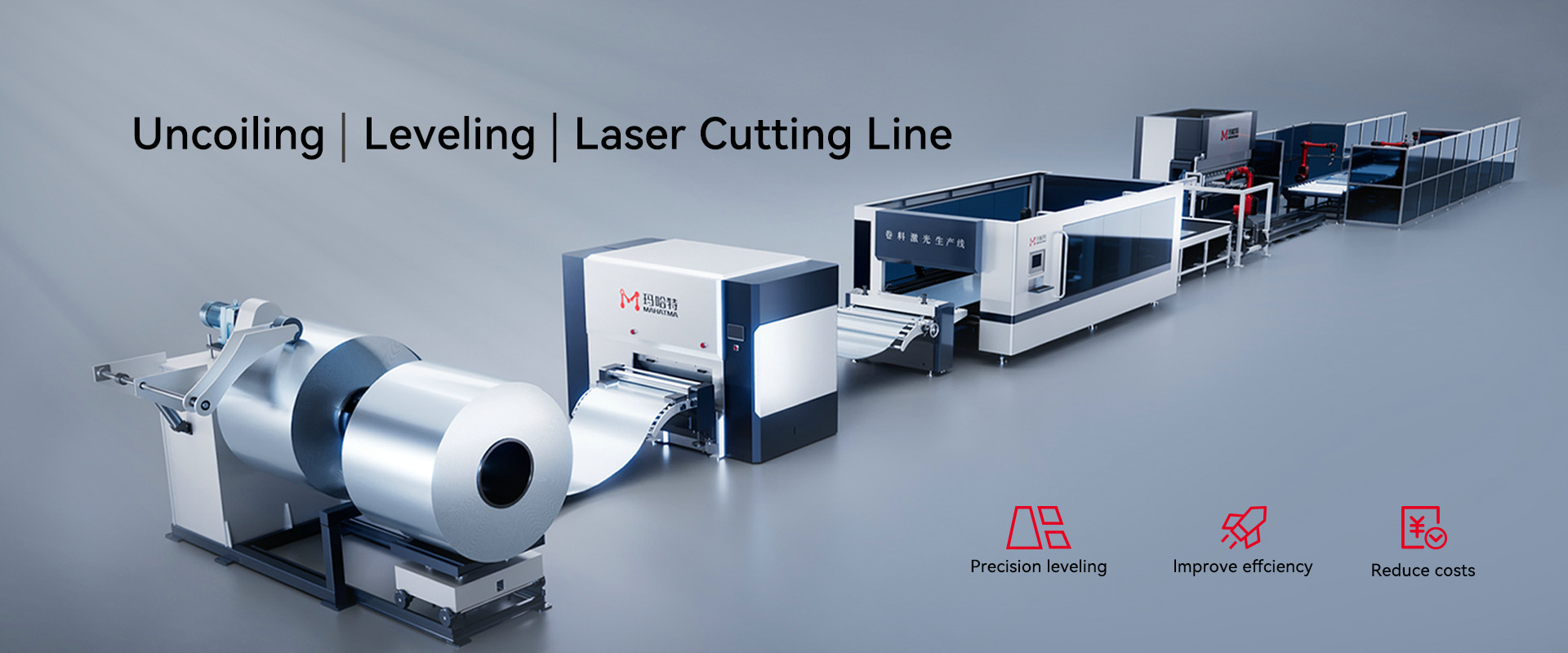
Integration of Advanced Equipment: Incorporating technologies like laser line systems, SMT line setups, extrusion line machinery, and conveyor line systems for streamlined operations.
Key Technologies Driving Smart Production Lines
1. Automation and Robotics
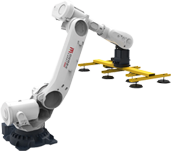
Automation is at the core of smart production lines. Industrial robots and automated systems handle repetitive, high-precision tasks, improving efficiency and reducing human error. Robots are often integrated with conveyor line systems, which transport materials seamlessly between workstations, reducing downtime and increasing throughput.
For example, in electronics manufacturing, an SMT line (Surface Mount Technology line) uses robots to place electronic components on circuit boards with extreme precision, ensuring product quality and speed.
2. Flexible Manufacturing Systems (Flex Line)
The demand for customized products has increased the need for flexibility in manufacturing. A flex line allows manufacturers to switch between different product types quickly without major retooling.
Key advantages of a flex line:
Supports small-batch production without sacrificing efficiency.
Reduces inventory and storage costs.
Integrates easily with automated monitoring systems.
This trend is especially important for industries like automotive, electronics, and consumer goods, where product lifecycles are short and customer demands are diverse.
3. Laser Line Technology
Laser line systems are being increasingly integrated into production lines for high-precision cutting, welding, and engraving. Lasers offer:
Minimal material waste.
High-speed processing.
Compatibility with a wide range of materials, including metals, plastics, and composites.
Laser lines are particularly effective in industries like automotive and aerospace, where precision is critical.
4. Portable Line Boring Machines
Manufacturing plants are also adopting portable line boring machines to enhance flexibility in on-site machining and maintenance tasks. These machines allow engineers to repair or bore machinery without disassembling large components, reducing downtime and increasing efficiency.
Portable line boring machines are highly valuable in:
Heavy machinery manufacturing.
Industrial maintenance workshops.
Construction equipment production.
5. Extrusion Line Integration
In plastic, rubber, and metal manufacturing, extrusion line machinery is central to producing continuous profiles, pipes, and sheets. Smart production lines integrate extrusion lines with automated quality monitoring, conveyor lines, and robotic handling systems to improve throughput and product consistency.
Features of a modern extrusion line include:
Real-time monitoring of temperature, pressure, and material flow.
Automatic correction systems to maintain product dimensions.
Seamless integration with downstream cutting and packaging processes.
6. Conveyor Line Systems
Conveyor lines are essential for linking different stations in a smart production line. They provide efficient material transport, reduce manual labor, and enable continuous production.
Innovations in conveyor lines include:
Intelligent sensors for real-time load and speed adjustment.
Integration with laser line and flex line systems for high precision.
Automated sorting and distribution for mixed-product lines.
Benefits of Smart Production Lines
Smart production lines offer significant advantages over traditional setups:
Increased Productivity: Automation reduces bottlenecks and downtime.
Enhanced Quality Control: Real-time monitoring detects defects early.
Operational Flexibility: Flex lines allow manufacturers to meet changing demands.
Reduced Costs: Efficient use of materials and labor saves money.
Sustainability: Less waste and energy-efficient machines contribute to greener manufacturing.
Applications Across Industries
Electronics Manufacturing
Smart production lines with SMT line technology and robotic assembly are essential in producing consumer electronics, semiconductors, and circuit boards.
Automotive Industry
The automotive sector uses laser line systems, conveyor lines, and extrusion lines to assemble vehicles efficiently and with high precision. Flex lines support customization for electric vehicles and hybrid models.
Heavy Machinery and Industrial Equipment
Portable line boring machines allow maintenance and on-site machining for large industrial equipment, reducing downtime and repair costs.
Plastics and Packaging
Extrusion lines integrated with smart conveyor systems are crucial for producing high-quality plastic sheets, tubes, and packaging materials.
Future Trends in Smart Production Lines
The future of smart production lines is shaped by technological innovation and evolving market demands. Key trends include:
AI and Machine Learning: Optimizing production schedules and predicting maintenance needs.
IoT Integration: Sensors and connected devices enable real-time data collection and predictive analytics.
Modular and Flexible Production: Flex lines will dominate, allowing rapid changes in product design and batch sizes.
Sustainable Manufacturing: Energy-efficient machines, reduced waste, and eco-friendly processes will become standard.
Collaborative Robots (Cobots): Humans and robots will work together safely to enhance productivity and reduce errors.
Advanced Laser and Extrusion Technologies: High-precision laser line systems and automated extrusion lines will continue to expand.
Portable and On-Demand Solutions: Machines like portable line boring machines allow on-site machining for rapid problem-solving.
Challenges and Considerations
While smart production lines bring immense benefits, manufacturers must address:
High initial investment costs for automation and advanced equipment.
Skilled workforce requirements to operate and maintain complex systems.
Integration challenges when combining legacy systems with new smart technologies.
Cybersecurity risks in highly connected production networks.
Conclusion
The future of manufacturing lies in smart production lines, combining automation, robotics, and advanced technologies to meet the growing demands of efficiency, precision, and flexibility. By incorporating systems like SMT line setups, laser line technology, flex lines, conveyor lines, extrusion lines, and portable line boring machines, manufacturers can create resilient, high-performing, and adaptive production systems.
Companies that embrace these trends will enjoy increased productivity, reduced operational costs, and the ability to respond quickly to market changes. As technology continues to evolve, smart production lines will be the foundation of a new era of industrial manufacturing.