



Starting a product line can be a challenging but rewarding venture for entrepreneurs, manufacturers, and businesses looking to expand their offerings. Whether you’re looking to introduce a new product category or diversify your existing portfolio, understanding the key steps involved in launching a product line is essential for success. This guide will take you through the critical aspects of starting a product line, from ideation and market research to production, marketing, and distribution.
In this article, we’ll also discuss the example of launching a laser level product line, covering everything from product development to marketing strategies, as well as introducing some of the essential laser levels available on the market today, such as self-leveling laser levels, laser line levels, and spirit levels.
What is a Product Line?
A product line refers to a group of related products that are offered by a single company, typically under a brand or category. These products may vary in size, features, price points, or performance, but they share common characteristics or serve similar purposes.
For example, a laser level product line could include various types of levels, such as self-leveling laser levels, laser line levels, and spirit levels, each designed for different tasks and customer needs.
The process of launching a product line involves several stages, including market research, product development, production, marketing, and distribution.
Step 1: Conduct Market Research
Before you dive into launching a production line for your product, it is essential to conduct thorough market research. This step helps you understand customer needs, identify competitors, and evaluate market trends.
Key Aspects to Focus on in Market Research:
Identify Your Target Market: Who will use your product? Are you targeting professional contractors, DIY enthusiasts, or a different group? In the case of a laser level product line, professionals like construction workers and engineers would be the primary target market.
Analyze Competitors: Research existing products in the market. For example, products like the Stabila laser level, Intice laser level, and laser line levels may already have strong brand recognition. Understanding their strengths and weaknesses will help you position your product line effectively.
Assess Market Demand: Look for any gaps in the market or areas where consumer demand is increasing. For instance, as more DIY projects gain popularity, there might be rising demand for affordable and easy-to-use laser levels for home use.
Identify Trends: Research any emerging trends within your industry. For laser levels, some trends could include the rise of self-leveling laser levels that save time and improve accuracy for professionals.
By conducting market research, you’ll gain insights into what consumers want, what your competitors are offering, and how you can position your product line to stand out in the market.
Step 2: Develop Your Product Concept
Once you have a solid understanding of your target market, the next step is to develop your product concept. In the case of a laser level product line, this involves deciding on the specific types of laser levels you want to offer and determining their unique features.
Key Product Development Considerations:
Product Variety: A well-rounded product line should offer a variety of products that cater to different needs and price points. For a laser level line, you may want to offer:
Spirit level: Traditional, bubble-based levels suitable for basic measuring.
Laser line level: A tool that projects a visible laser line for more accurate and efficient leveling.
Self-leveling laser level: A highly accurate tool that automatically adjusts itself to a level position, ideal for professionals.
Features and Benefits: Think about what features will make your laser levels stand out. Features like easy-to-read displays, high precision, and durability could be important selling points. For example, the Intice laser level might focus on offering enhanced visibility in bright light conditions, while the Stabila laser level could be known for its robust construction.
Design and Packaging: The design of the product and its packaging plays a key role in how it is perceived by customers. For laser levels, ensure that the packaging is protective yet visually appealing, and easy to understand for end-users.
Prototyping: Create prototypes of your products and test them. Whether you’re introducing a self-leveling laser level or a laser line level, it’s important to have functional prototypes to demonstrate to stakeholders and potential customers.
Step 3: Plan the Production Line
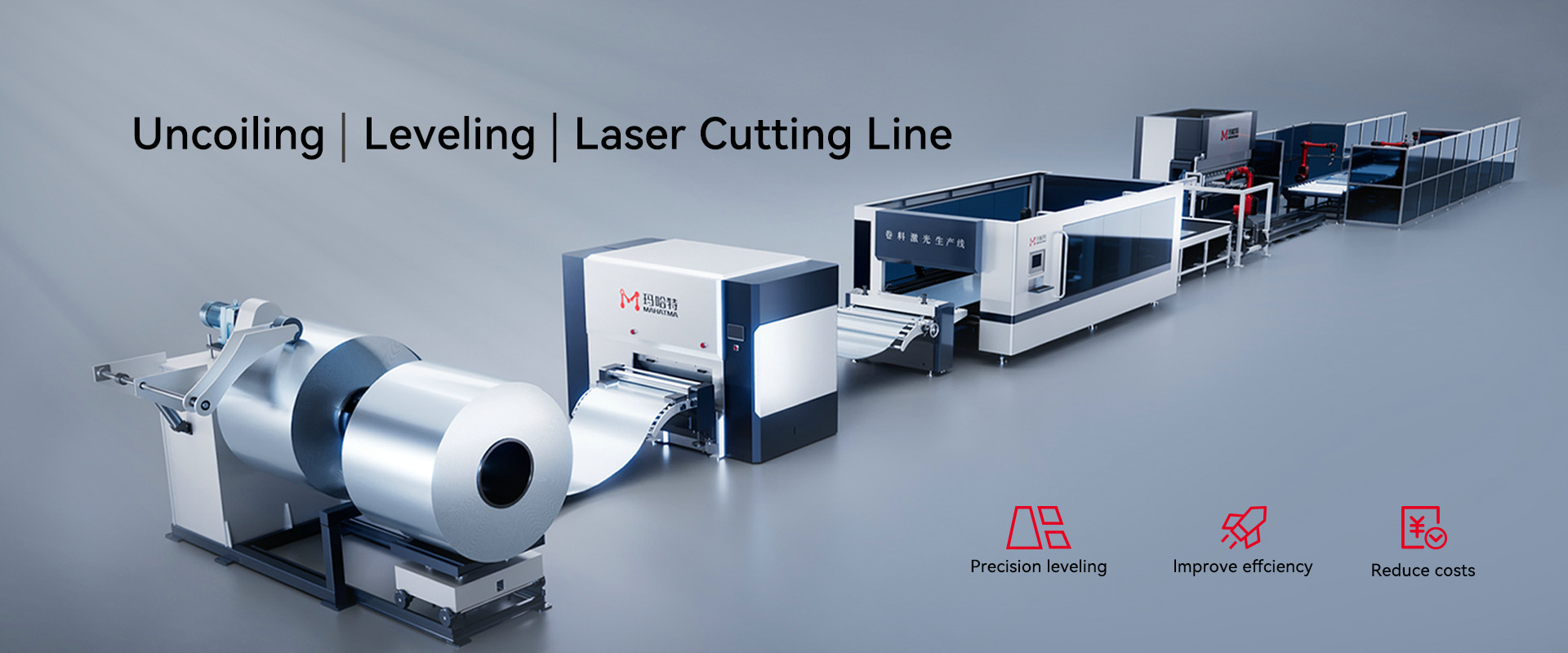
Once you’ve refined your product concept, the next step is to plan the production line. This involves determining how the products will be manufactured, which suppliers you’ll need, and what equipment is required.
Key Considerations for Production:
Manufacturing Process: Choose whether you’ll produce the products in-house or outsource production to a third-party manufacturer. You may decide to set up a dedicated production line for your laser level product line or partner with a contract manufacturer who specializes in tools.
Quality Control: Implement quality control measures to ensure that each product meets industry standards. For laser levels, this could mean checking for accuracy, durability, and ease of use. Quality control should be conducted at each stage of the production process.
Supply Chain Management: Ensure that you have reliable suppliers for the raw materials, components, and tools required for manufacturing. This includes laser diodes, batteries, housing materials, and electronics for self-leveling laser levels.
Lead Times: Establish production lead times for each product to meet market demand. For example, if you anticipate high demand for a particular laser level for sale, ensure that your production line can handle the volume.
Step 4: Market Your Product Line
Once your laser level product line is ready for production, the next step is marketing. A solid marketing strategy is essential for attracting customers and generating sales.
Marketing Strategies for Launching Your Product Line:
Build a Strong Brand Identity: Your branding should clearly communicate the unique selling points of your laser levels. For example, if your self-leveling laser levels are known for their precision and ease of use, make sure to emphasize these features in your branding materials.
Online Presence: Create an attractive website and utilize e-commerce platforms to sell your products. Highlight product features, customer reviews, and instructional content to help customers make informed decisions.
Social Media: Leverage social media platforms like Instagram, Facebook, and YouTube to promote your products. Tutorials, product demos, and user-generated content can help build awareness and generate interest.
Influencer and Industry Partnerships: Partner with construction professionals, tool influencers, or industry leaders to get your products into the hands of your target market. Offering free trials or sponsored content can help you reach a wider audience.
Retail Partnerships: For a physical retail presence, consider approaching hardware stores, home improvement centers, or online retailers to carry your laser level for sale.
Step 5: Distribution and Sales Channels
Once your laser level product line is ready and the marketing is in place, it's time to establish sales and distribution channels.
Key Distribution Considerations:
Direct Sales: If you have an established online presence, you can sell directly to consumers through your website or e-commerce platforms like Amazon or eBay.
Wholesale Distribution: Partner with distributors and wholesalers who can stock your products in larger quantities and sell them to retail stores.
Global Expansion: If you have a successful laser level product line in one market, consider expanding to other regions. For instance, European or Asian markets may have different preferences for laser levels, so understanding the local demand is crucial.
Customer Support: Offer excellent customer service, including easy returns, warranty services, and technical support. A well-educated customer support team can answer questions about product features, setup, and troubleshooting.
Step 6: Monitor and Improve
After launching your product line, it’s important to monitor its performance and gather customer feedback. Use this data to make improvements to your products and marketing strategies.
Key Areas to Monitor:
Sales Performance: Track which products in your laser level product line are performing best. For example, are consumers more interested in self-leveling laser levels or laser line levels?
Customer Feedback: Read reviews and listen to customer suggestions to identify areas for improvement. Whether it’s making the laser level for sale easier to use or improving the battery life, feedback will help guide your product development.
Market Trends: Stay on top of market trends and adjust your product line as needed. As more DIY enthusiasts enter the market, you may need to adjust pricing or packaging to meet their needs.
Conclusion
Starting a product line is a complex but highly rewarding process that requires careful planning, market research, and execution. By following the steps outlined in this guide, you can create a successful laser level product line or any other product line that appeals to your target market.
From market research and product development to production, marketing, and distribution, every step is vital to ensuring your product line’s success. Whether you’re offering laser levels for professionals or laser line levels for DIY enthusiasts, focusing on quality, innovation, and customer satisfaction will ultimately drive your product line’s growth in the competitive marketplace.